Does Running Form Cause Injuries? What Research Says About Running Mechanics
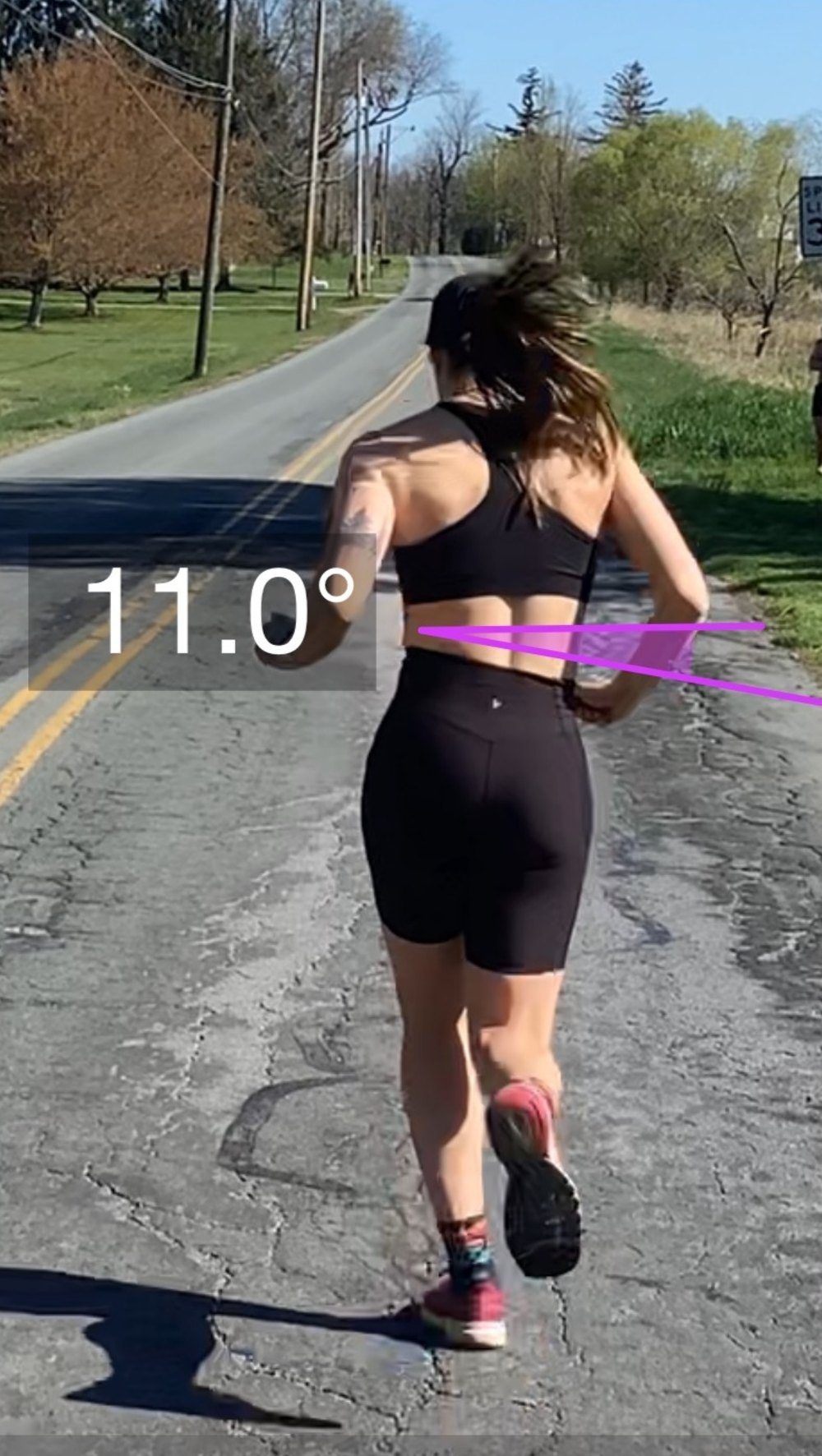 FIG. 06 · CONTRALATERAL PELVIC DROP · POSTERIOR VIEW
If you've ever dealt with a running injury, you've probably wondered whether something about the way you run is contributing to the problem.
Maybe you've been told you overstride, your hips drop too much, or your knees collapse inward when you run.
But how much does running form actually matter when it comes to injuries?
A study published in The American Journal of Sports Medicine examined this question by comparing the running mechanics of healthy runners with those experiencing four common running injuries.
The findings suggest that certain movement patterns may be associated with multiple types of running injuries. However, the relationship between running form and injury is more complicated than simply identifying something that looks abnormal.
The Study: Do Injured Runners Move Differently?
Researchers examined 108 runners, including 72 runners experiencing one of four injuries:
- Patellofemoral pain (runner's knee)
- Iliotibial band syndrome (IT band syndrome)
- Medial tibial stress syndrome (shin splints)
- Achilles tendinopathy
The remaining 36 participants were healthy runners without a history of running injuries.
Using three-dimensional motion analysis, the researchers examined how participants moved while running on a treadmill.
Their goal was to determine whether runners with different injuries shared common biomechanical characteristics.
Interestingly, several differences emerged.
01 Injured Runners Demonstrated Greater Pelvic Drop
One of the most significant findings involved a movement called contralateral pelvic drop.
This occurs when the pelvis drops toward the side of the leg that's swinging forward while the opposite leg supports the body.
Some pelvic movement is completely normal during running. However, the researchers found that injured runners demonstrated significantly greater pelvic drop than healthy runners.
On average:
In fact, pelvic drop was the strongest variable associated with whether a runner belonged to the injured or healthy group.
The researchers found that every additional degree of pelvic drop was associated with approximately 80% greater odds of being classified as injured.
Importantly, this does not mean that every additional degree of pelvic drop increases your future injury risk by 80%. The study identified an association, not a cause-and-effect relationship.
Why might pelvic drop matter?
Excessive pelvic movement can influence how forces travel through the hip, knee, shin, and ankle.
Depending on the individual runner, these changes may affect loading of structures such as the patellofemoral joint, iliotibial band, and lower leg.
But pelvic drop isn't necessarily caused by weak glutes.
Hip strength, neuromuscular coordination, running speed, fatigue, and individual movement strategies can all influence pelvic mechanics.
This is why simply prescribing glute exercises based on a running video may not address the underlying problem.
02 Injured Runners Landed With a Straighter Knee
Another important finding involved knee position when the foot first contacts the ground.
The injured runners landed with an average of 6.0° of knee flexion, compared with 10.2° in healthy runners.
In other words, the injured runners tended to land with a straighter knee.
Why does that matter?
Landing with a more extended knee can sometimes be associated with overstriding, where the foot contacts the ground farther in front of the body's center of mass.
This may influence braking forces, impact absorption, and loading through the knee and lower leg.
However, landing with a straighter knee doesn't automatically mean someone is overstriding or that their mechanics need to be changed.
It's important to evaluate how the entire body moves throughout the running stride.
03 Injured Runners Had Greater Forward Trunk Lean
The researchers also found that injured runners demonstrated more forward trunk lean during midstance.
Healthy runners averaged 9.5°, while injured runners averaged 12.0°.
This finding is particularly interesting because forward trunk lean is not necessarily a bad thing.
In fact, changing trunk position can sometimes be used intentionally to alter loading at the knee or hip.
The important question isn't simply how far forward someone leans.
It's whether that movement pattern is appropriate for the individual runner, their strength and mobility, and the demands of their training.
04 Foot Strike Wasn't Significantly Different Between Groups
One of the more interesting findings was what the researchers didn't find.
There was no statistically significant difference in foot-strike pattern between injured and healthy runners.
This is important because runners are often told that landing on their heel is bad or that switching to a forefoot strike will prevent injuries.
But foot strike alone doesn't determine whether someone will develop a running injury.
Changing foot strike can redistribute forces throughout the lower extremity. For example, moving toward a forefoot strike may reduce loading at certain structures while increasing demands on the calf and Achilles tendon.
The goal shouldn't be to make every runner land the same way.
Instead, it's to understand how their individual mechanics influence loading and whether changes would be beneficial.
Does This Mean Poor Running Form Causes Injuries?
Not necessarily.
Although this study identified several differences between injured and healthy runners, it cannot tell us whether those movement patterns actually caused the injuries.
It's possible that certain mechanics contributed to excessive tissue loading over time.
It's also possible that some runners changed how they moved because they were injured.
Additionally, running injuries are rarely caused by one factor alone.
Training volume, intensity, recovery, strength, previous injuries, and the ability of tissues to tolerate repetitive loading all play important roles.
A runner with less-than-ideal mechanics may remain injury-free for years because their body has adapted to those demands.
Meanwhile, another runner with seemingly excellent form may develop an injury after increasing mileage too quickly.
Running mechanics matter, but they are only one piece of the puzzle.
Can Changing Your Running Form Help?
For some runners, absolutely.
Gait retraining can be a useful tool for modifying the forces experienced by different tissues during running.
For example, increasing cadence may reduce certain knee-loading demands, while changes in pelvic control or trunk position may alter how forces are distributed throughout the lower extremity.
However, not every runner needs to change their form.
And even when a biomechanical issue is identified, the solution isn't always as simple as telling someone to run differently.
Sometimes the runner needs to improve strength or mobility. Other times, the priority is improving tissue capacity, adjusting training loads, or gradually introducing a different movement pattern.
The most effective approach depends on the individual.
What Does This Mean for Your Running?
If you're dealing with recurring running injuries, a comprehensive running analysis may help identify mechanical factors contributing to your symptoms.
But a good running analysis should involve more than watching someone run and pointing out what looks wrong.
It should consider your injury history, running goals, strength, mobility, training volume, and how your body responds to different movement strategies.
At The Run Mechanics, we combine running biomechanics with a comprehensive physical therapy evaluation to better understand why a runner may be experiencing pain.
When appropriate, we use individualized gait retraining, strength and mobility programming, and training modifications to help address the factors contributing to injury.
Our goal isn't to make everyone run with identical mechanics.
It's to help you find a running strategy that works for your body and allows you to train consistently.
The Bottom Line
Research suggests that runners with common running injuries may demonstrate certain shared biomechanical characteristics, including greater pelvic drop, a straighter knee at initial contact, and increased forward trunk lean.
However, these findings don't mean there's one perfect running form or that every movement difference needs to be corrected.
Running injuries are multifactorial, and successful treatment requires understanding both how a runner moves and how much stress their body can tolerate.
If you've been dealing with a persistent or recurring running injury, understanding your running mechanics may be an important part of finding a long-term solution.
Want to better understand your running form?
Learn more about running analysis and physical therapy for runners at The Run Mechanics.
Research Reference
Bramah C, Preece SJ, Gill N, Herrington L. Is There a Pathological Gait Associated With Common Soft Tissue Running Injuries? The American Journal of Sports Medicine. 2018;46(12):3023–3031. Read the original study →