
The Importance of Strength Training for Runners
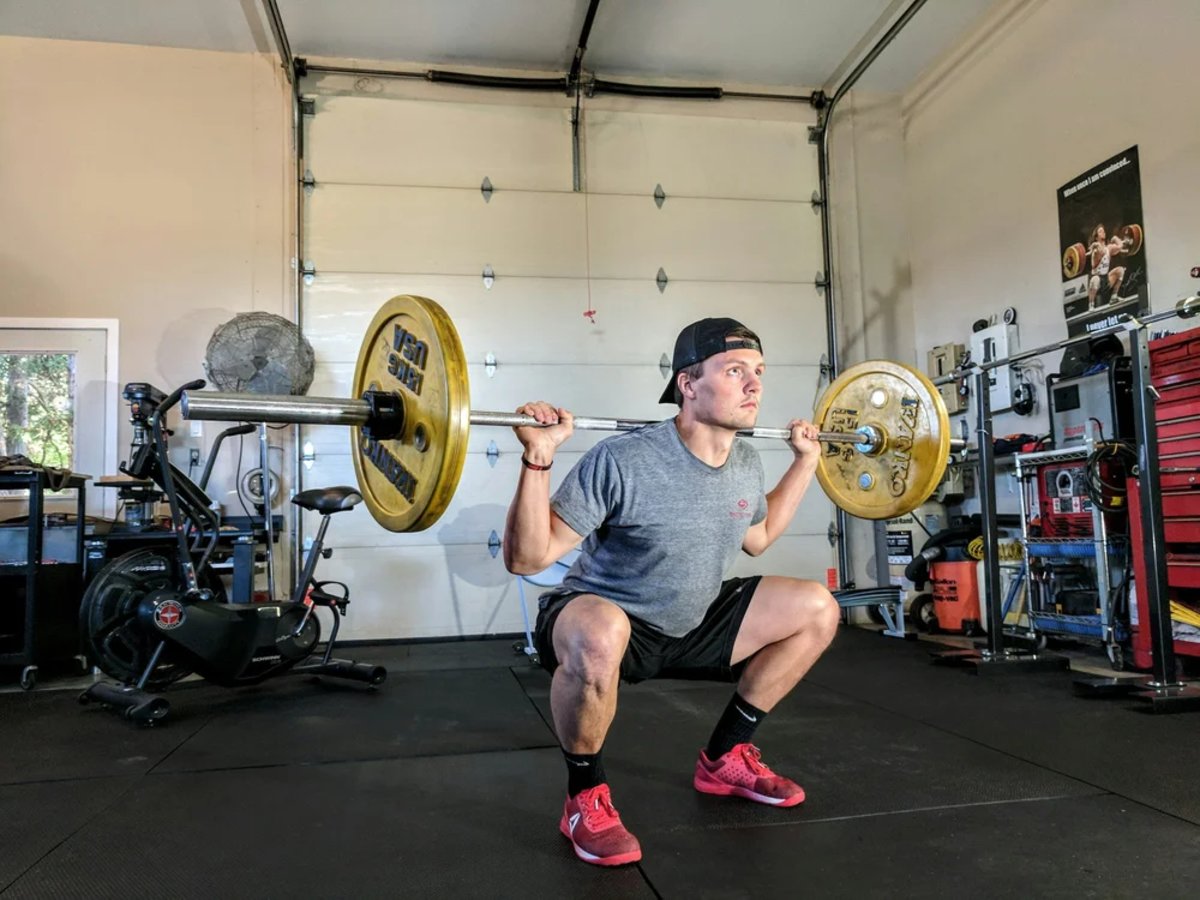 FIG. 02 · BUILDING THE ENGINE THAT DRIVES THE STRIDE
At The Run Mechanics, we understand that running isn't just about logging miles. To be a strong, resilient runner, your body needs to be prepared for the physical demands of the sport. One of the most effective ways to do that? Strength training.
While running primarily builds endurance, strength training targets the muscles that power your stride and support your joints. Whether you're a seasoned marathoner or training for your first 5K, building strength into your routine offers several key benefits that elevate both your performance and your longevity as a runner.
Five reasons it belongs in your week
01 Injury Prevention
Running is repetitive — each step places strain on your muscles, tendons, and joints. Over time, weaknesses or imbalances lead to overuse injuries like shin splints, IT band syndrome, and runner's knee. Strength training builds up the muscles around key joints — hips, knees, and ankles — improving your body's ability to handle that repetitive load, and to recover after tough runs.
02 Improved Running Economy
Efficiency is how you go longer without burning out. Strength work increases muscle power and your ability to generate force with each stride, so you run with less effort at the same pace. It also improves posture, keeping your form upright and relaxed — and cutting the energy wasted on unnecessary movement.
03 Enhanced Speed and Endurance
Running builds aerobic endurance; strength training develops the muscular endurance that's just as critical. Stronger legs and core help you hold form and push through fatigue — on hills and in the final stretch of a race. Squats, lunges, and plyometrics sharpen both your sprint and your long-distance staying power.
04 Better Recovery
Many runners chase mileage and neglect recovery. Strengthening muscles, tendons, and ligaments helps you manage the physical stress of running and reduces muscle soreness — meaning quicker returns to training between hard sessions.
05 A Balanced Training Routine
Running alone can create muscle imbalances when training skews toward cardio. Strength work targets the muscles that don't fully engage during a run, building a more well-rounded, stable body. Focus on the hips, glutes, calves, and core — the muscles essential for both speed and injury prevention.
Strong isn't the opposite of fast. It's the foundation of it.
Building it into your routine
You don't need hours in the gym. A few focused sessions per week — 20 to 30 minutes each — make a big difference. Key movements to include:
If you're new to strength training or unsure where to start, work with a physical therapist or trainer who specializes in running biomechanics. At The Run Mechanics, we design personalized training plans that help runners build strength without compromising their running form.
The bottom line
Strength training isn't just for bodybuilders — it's a critical component of any runner's program. Build strength and you'll not only prevent injury but boost performance, endurance, and recovery. Take the time to build a balanced body, and you'll see the results on the road.
Ready to strengthen your stride?
Let's build a strength plan around your gait, your history, and your goals — not a generic template. Book a session and we'll get to work.
Book Now →