
Plantar Fasciitis & Runners: What You Need to Stay on Track
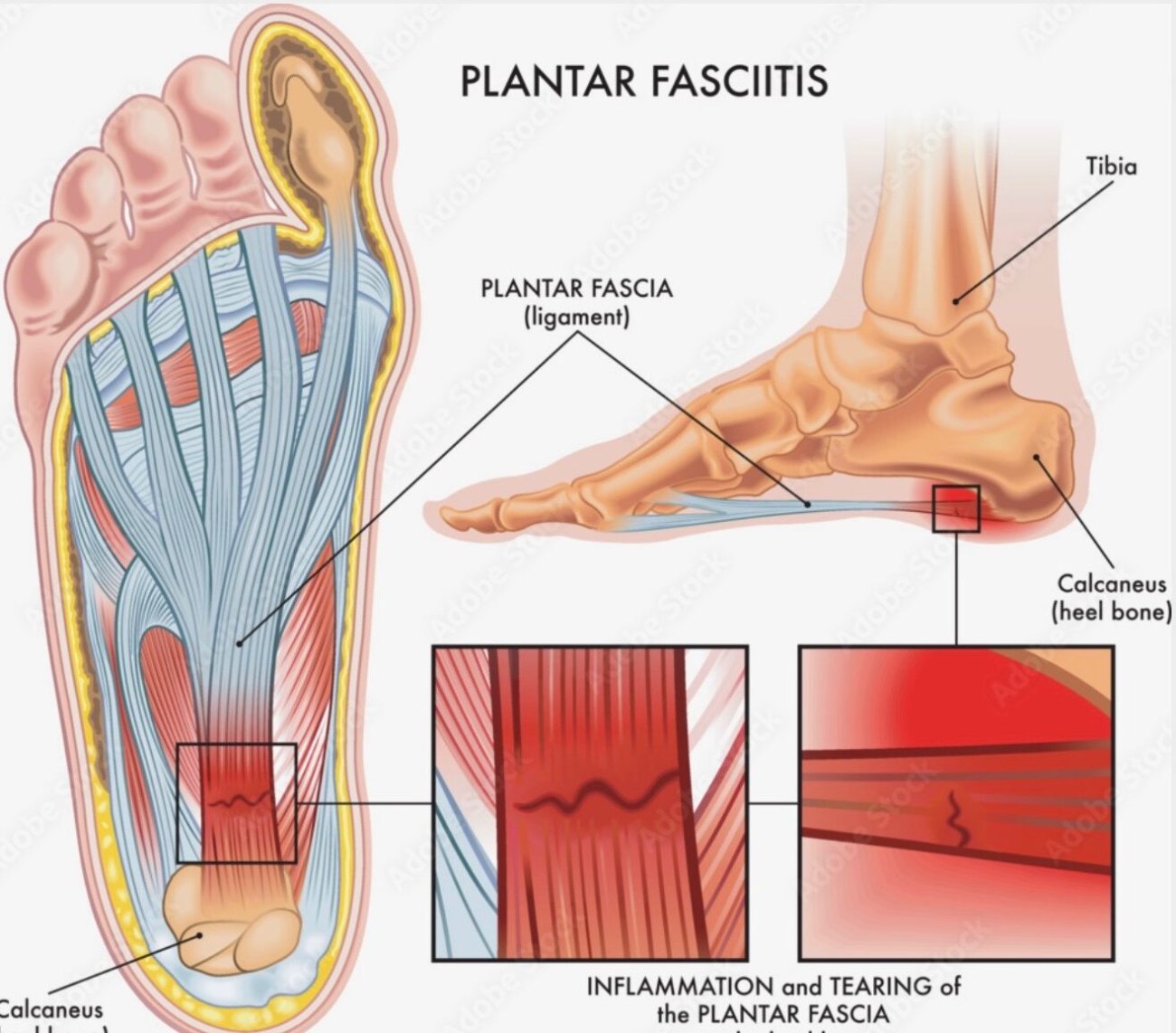 FIG. 03 · THE PLANTAR FASCIA — HEEL TO TOES
If you're a runner, chances are you've heard about — or felt — the sharp, nagging pain of plantar fasciitis. This common foot condition can sideline even the most dedicated athletes, but understanding it can help you stay healthy and fast on your feet.
What is plantar fasciitis?
Plantar fasciitis is inflammation of the plantar fascia — a thick band of tissue running along the bottom of your foot, connecting your heel to your toes. It supports the arch and absorbs shock during movement. When the tissue becomes overstressed, it can develop tiny tears and inflammation, leading to heel pain — especially first thing in the morning or after long periods of rest.
Why runners are prone to it
Runners are particularly susceptible because of the repetitive stress placed on the feet. A few common contributors:
- Sudden increases in mileage or intensity
- Poor running mechanics or improper footwear
- Tight calf muscles or Achilles tendons
- Flat feet or high arches
- Foot-intrinsic and ankle weakness
Symptoms to watch for
Prevention for runners
01 Wear the Right Shoes
Invest in quality running shoes that match your foot type and provide proper arch support and cushioning.
02 Replace Worn-Out Footwear
Don't wait until your soles are falling apart. Replace your running shoes every 300–500 miles.
03 Warm Up and Stretch
Focus on calf stretches, toe curls, and rolling your foot over a massage ball or foam roller.
04 Strengthen Your Feet
Towel scrunches, toe yoga, and balance work build foot strength and resilience.
05 Vary Your Terrain
Alternate between treadmill, trails, track, and pavement to avoid repetitive stress.
Heel pain isn't a heel problem. It's usually a load problem — and load is something we can measure.
How to treat it
If you're already dealing with plantar fasciitis, rest and a thoughtful recovery plan are key:
01 Rest and Ice
Reduce mileage or stop running temporarily. Ice your heel for 15–20 minutes several times a day.
02 Stretch Consistently
Gentle stretches for the calves, Achilles tendon, and plantar fascia can accelerate healing.
03 Support Your Feet
Use arch supports, orthotics, or heel cups. Avoid barefoot walking on hard surfaces.
04 Cross-Train Wisely
Low-impact activities like swimming or cycling maintain fitness while your foot heals.
05 Consider Professional Help
If pain persists, consult a physical therapist or sports podiatrist. They may recommend custom orthotics or a tailored rehab plan.
Final thoughts
Plantar fasciitis can be frustrating, especially for runners who live for the daily miles. But with the right knowledge, prevention strategies, and a willingness to ease up when needed, you can beat it — and come back stronger. Listen to your body, treat your feet with care, and remember: sometimes slowing down is the quickest way forward.
Heel pain holding you back?
Don't guess at the cause. We'll assess your gait, footwear, and load, then build a recovery and return-to-run plan around your foot — not a template.
Book Now →